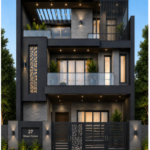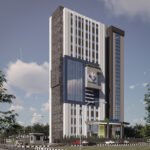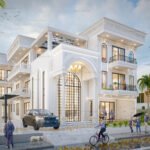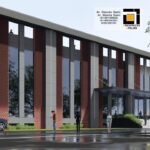
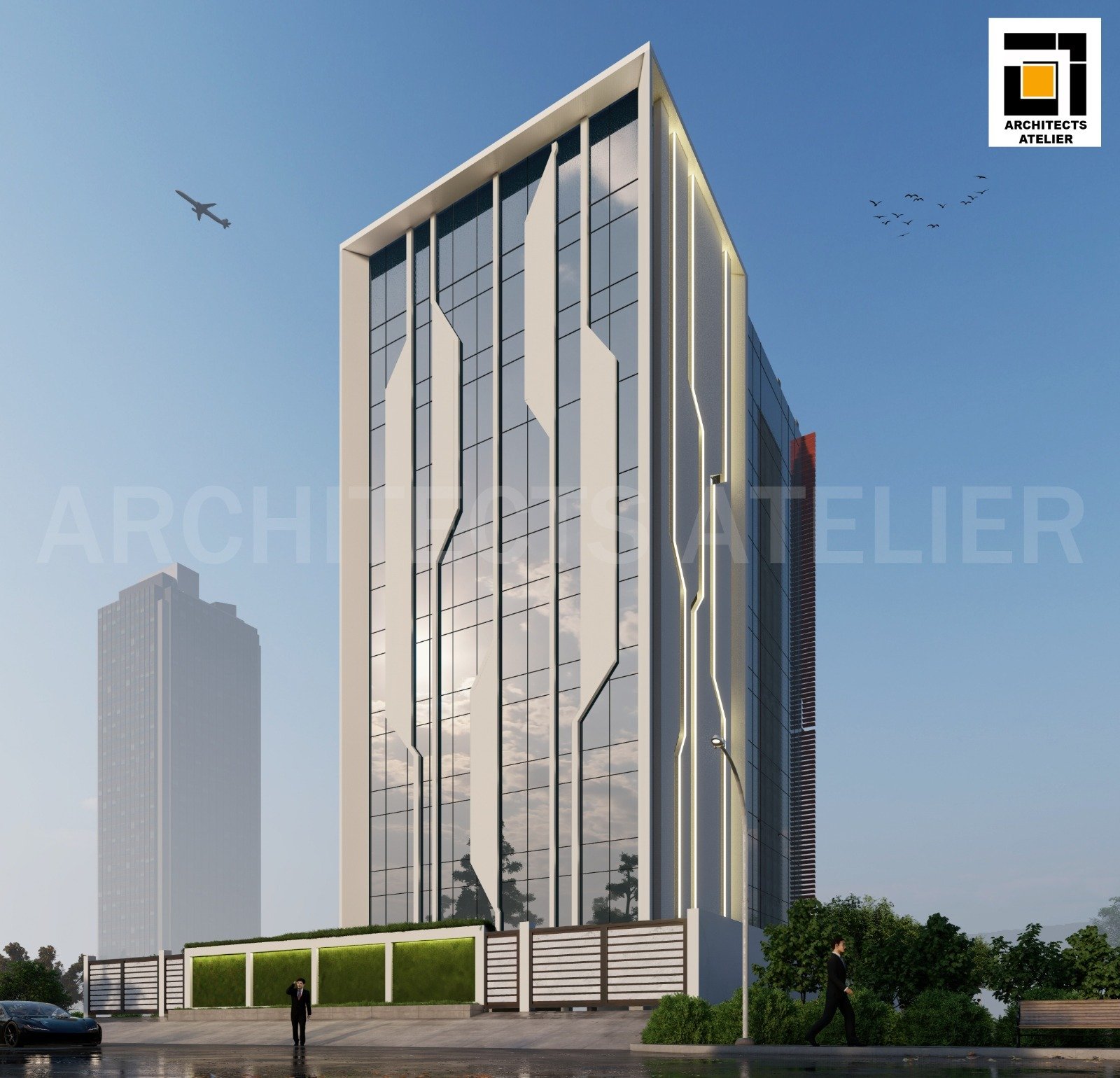
Commercial architecture has gone way past just making office spaces functional. Nowadays, businesses are looking for buildings that express their brand identity, increase productivity, have sustainable practices, and make an impression on their clients. The commercial building presented above is the best example of what modern commercial building architecture can be.
At Architects Atelier, every commercial project is designed with the vision of both beauty and performance in mind. Modern architecture is transforming commercial spaces into tools of business success.
The First Impression Starts with the Façade
Building façade is the identity of a building. Even before people enter a building, the architecture conveys professionalism, innovation, and quality.
This particular building has a sleek and modern façade characterized by:
- Floor to ceiling glass windows
- Vertical architectural structures
- Geometrical lines
- Incorporation of light into architecture
- Minimalist façade design
Such features provide a sleek and elegant look while making sure that the building stands out in an urban setting. Modern facades are also known to increase the amount of daylight entering the buildings, which lowers energy use and provides brighter interiors.
Glass Architecture: Beauty with Performance
A defining characteristic of modern commercial architecture is the widespread use of glass.
Some of the benefits of glass facades are:
1. Natural Light
The large amount of glass helps achieve maximum natural light and minimizes reliance on artificial light.
2. Good Working Conditions
Employees working under natural light tend to work better due to increased comfort levels.
3. Quality Appeal
Reflective glass provides a high-quality appearance that fits well with offices, business centers, health care institutions, IT parks, and other top commercial constructions.
4. Energy Efficiency
Modern technology in glazing helps minimize heat intake while retaining good visibility and quality.
Vertical Design Creates a Strong Architectural Identity
As opposed to commercial buildings, which have repetitive elevations, the presented building incorporates dramatic vertical fins that span several floors.
The purpose of these architectural features is:
- Creating visual depth
- Creating contrast to glass elevations
- Shading
- Emphasizing the height of the building
- Building up an image of the building
Such architectural detailing helps transform a commercial building into an iconic one.
Minimalism That Makes a Statement
The modern architect believes in the philosophy that simplicity makes elegance.
In place of being highly decorated, this particular structure is based on:
- Proportion
- Geometry
- Symmetry
- Neutral colors
- Detailing
Minimalist architecture grows beautiful in time because of its emphasis on timeless concepts and not transient fashions.
Intelligent Space Planning
Excellent commercial architecture is not all about aesthetics.
It means that every square meter should add value to the efficiency of operations.
Professionals in architectural design consider the following:
- Reception area
- Office space
- Vertical movement
- Meeting room
- Utility areas
- Parking area
- Service entrance
- Provisions for future expansion
Flexibility is what defines contemporary commercial buildings.
The Role of Lighting in Commercial Architecture
As the sun sets, architecture must continue making its mark.
The inclusion of the linear lights at the edges of the building helps:
- Geometry of building
- Visibility at night
- Safety
- Branding
- High-end aesthetics
Lighting of architecture makes a commercial building a landmark of the city.
Sustainability Is No Longer Optional
Today’s commercial projects are increasingly adopting sustainable design techniques that minimize environmental impact and operational costs.
These include:
- Energy-saving windows
- LED lighting
- Harvesting rain water
- Advanced heating, ventilation, and air conditioning systems
- Sustainable landscaping
- Building with solar readiness
- Water-conserving fixtures
This makes for cost savings as well as a healthy environment within the workplace. Sustainable façades for commercial buildings also enhance building performance.
Landscaping Enhances the Experience
It shows how planting can improve the look of modern buildings.
A good landscape provides:
- More aesthetically pleasing look
- Less urban heat effect
- Better quality air
- Greater visitor satisfaction
- Comfort for pedestrians
The walls and landscaped edges make the modern building look more appealing.
Commercial Architecture as Brand Identity
Commercial buildings today serve as symbols of the organization’s core values.
In whichever case may be:
- Headquarters
- Medical facilities
- IT offices
- Business parks
- Banks
- Universities and Colleges
The architecture itself is able to symbolize innovation, integrity, professionalism, and vision.
An unique commercial façade can also enhance market perceptions and increase the value of the building through memorability.
Why Professional Architects Matter
There is much more to commercial buildings besides designing good-looking ones.
Professional architects ensure that all of the following elements come together smoothly:
- Site assessment
- Building codes
- Structure design
- Façade design
- Interior processes
- Sustainability principles
- Construction documents
- Money-saving techniques
This results in a good-looking building that functions efficiently as well.
Technology Is Transforming Commercial Design
The contemporary architectural firms utilize advanced technologies like the following:
- Building Information Modeling (BIM)
- 3D visualization
- Parametric design
- Energy modeling
- Virtual walk-through
These technologies allow more effective cooperation and decrease the risks of making mistakes during the building process.
Future-Ready Commercial Buildings
Firms grow, and their buildings need to grow with them.
Features of future-oriented commercial buildings include:
- Flexible floor designs
- Smart building technology
- Upgradable infrastructure
- Fast digital connectivity
- Modular interiors
- Sustainable building design
These will ensure that the building is useful for years to come.
Why Choose Architects Atelier?
Architecture at Architects Atelier is a synthesis of creativity, function, and proficiency.
All commercial projects at Architects Atelier are designed such that they:
- Represent the brand image of the clients
- Are efficient in terms of operation
- Provide an enhanced user experience
- Implement sustainable design concepts
- Offer value for money
- Form landmark buildings
Through the process of designing to implementation, the emphasis is on creating spaces that instill confidence.
Conclusion
The commercial building shown above encapsulates everything about the design of modern commercial buildings—precision in line work, advanced materials, sustainability, and intelligent planning that come together to produce great architecture.
In the current competitive business environment, architecture goes beyond mere construction; it is an investment in strategy. Designing a commercial building will increase efficiency at work, improve your brand image, attract clients, and add to the value of your property.
Whatever commercial building you plan on designing—from corporate offices to business centers, hospitals, and other mixed-use commercial projects—you can trust Architects Atelier to deliver the results you want.